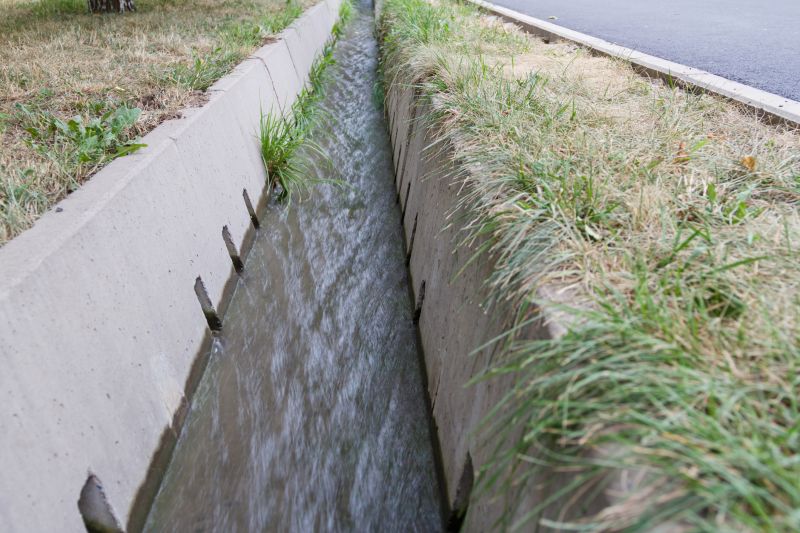
Ditch Repair in Houston, TX
Ditch repair services address issues with underground drainage systems, culverts, and stormwater management features that may become damaged or compromised over time. These projects typically involve fixing or replacing deteriorated pipes, restoring proper flow, and ensuring that drainage pathways effectively prevent water pooling or flooding on the property. Homeowners often seek ditch repairs when noticing signs such as standing water, erosion, or blockages that could impact landscaping, foundations, or overall property safety.
Before requesting ditch repair services, property owners should consider the extent of the damage, the location of existing drainage features, and any potential obstructions or utilities that may influence the repair process. Understanding the history of drainage issues on the property, as well as desired outcomes for water management, can help in planning the most effective solution. Clear communication about these factors can ensure that the repair work addresses current concerns and supports the property's long-term drainage needs.
Many property owners in Houston, TX look into Ditch Repair for repairs, replacements, upgrades, and appearance-related improvements.
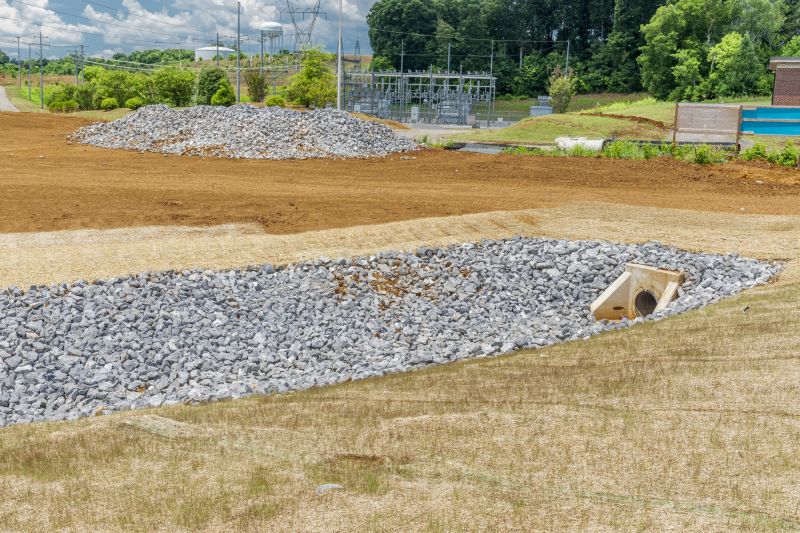
Common Ditch Issues
Ditches in houston properties can develop erosion, blockages, or collapse over time.
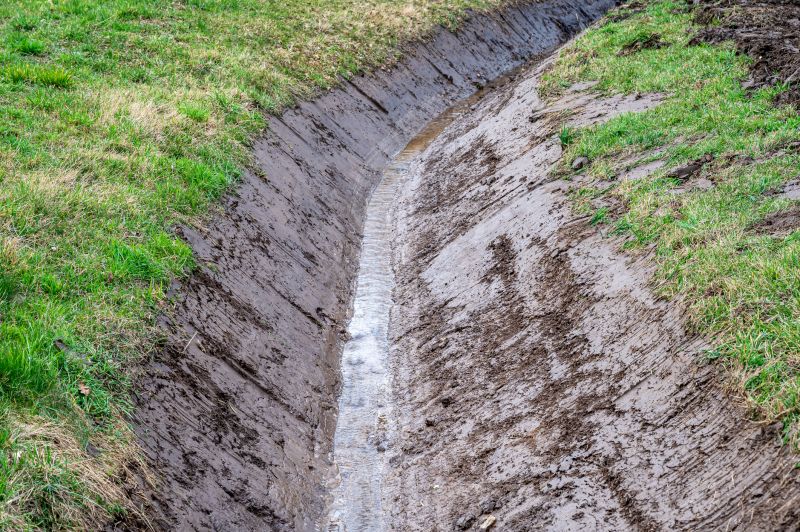
Repair Techniques
Restoration methods include patching, regrading, or replacing damaged sections to ensure proper drainage.
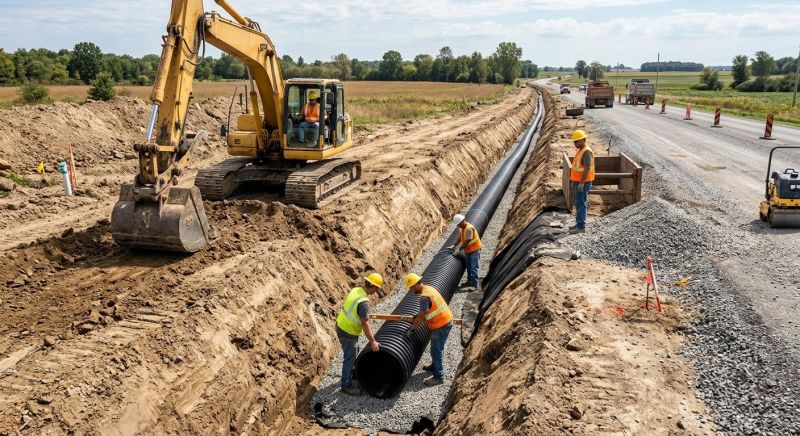
Maintenance Tips
Regular inspections and timely repairs help prevent costly damage and maintain effective drainage systems.
Ditch Repair in Houston, TX
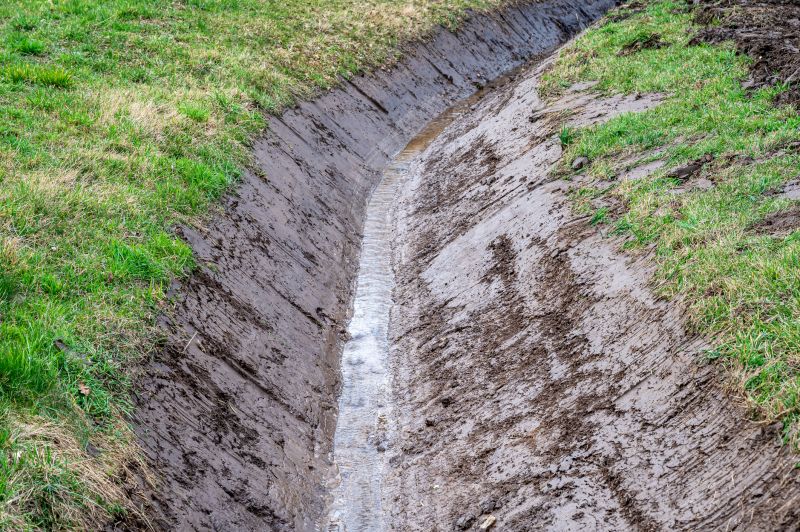
Ditch repair services address issues with underground drainage systems, culverts, and stormwater management features that may become damaged or compromised over time. These projects typically involve fixing or replacing deteriorated pipes, restoring proper flow, and ensuring that drainage pathways effectively prevent water pooling or flooding on the property. Homeowners often seek ditch repairs when noticing signs such as standing water, erosion, or blockages that could impact landscaping, foundations, or overall property safety.
Before requesting ditch repair services, property owners should consider the extent of the damage, the location of existing drainage features, and any potential obstructions or utilities that may influence the repair process. Understanding the history of drainage issues on the property, as well as desired outcomes for water management, can help in planning the most effective solution. Clear communication about these factors can ensure that the repair work addresses current concerns and supports the property's long-term drainage needs.
Many property owners in Houston, TX look into Ditch Repair for repairs, replacements, upgrades, and appearance-related improvements.
Common Ditch Repair Jobs
Drain pipe repairs - restoring proper flow and preventing leaks in household drainage systems.
Pipe patching - sealing cracks and holes to stop leaks and avoid further damage.
Trenchless pipe repair - fixing damaged pipes with minimal excavation and disruption.
Clog removal and clearing - eliminating blockages to improve drainage efficiency.
Pipe replacement - installing new pipes where old or severely damaged pipes exist.
Drain line rerouting - adjusting pipe paths to improve drainage and prevent future issues.
Ditch Repair Questions
What types of ditch repairs are commonly needed? Repairs often address erosion, blockages, or damage caused by heavy rain and soil shifting to ensure proper drainage.
How can I tell if my ditch needs repair? Signs include standing water, soil erosion, or debris buildup that obstructs water flow.
Are there different methods for repairing ditches? Yes, methods vary from reshaping and lining to installing new drainage components, depending on the issue.
What should property owners consider before repairing a ditch? It's important to assess the extent of damage and ensure proper grading to maintain effective drainage systems.
Request Ditch Repair in Houston, TX
Use the quote form on this page to share the basics of your project and request more information for the type of work you need.