Compare Local Contractors for Building Excavation Projects
Compare local contractors for building excavation to define project scope, verify experience, and set clear expectations for a successful job.
Building excavation services encompass a range of tasks involved in preparing a property for construction or development. This typically includes site clearing, grading, trenching, and earthmoving to create a stable foundation for structures, driveways, or landscaping projects. Contractors may also handle the removal of excess soil, rocks, or debris, and ensure the land is properly leveled to meet the specific requirements of the project. Understanding the scope of excavation work needed helps property owners communicate their expectations clearly and ensures that all necessary tasks are addressed for a successful project.
Clearly defining the scope of excavation work is essential for establishing a shared understanding between property owners and contractors. A detailed scope includes specifics about the size and depth of excavations, any grading or drainage considerations, and the types of materials to be removed or added. Having these details in writing helps prevent misunderstandings, manages expectations, and provides a basis for comparing different service providers. It also ensures that contractors are aware of the full extent of the work, which can influence their approach and preparation, leading to smoother project execution.
When evaluating local contractors for building excavation, property owners should consider experience, reputation, and the range of services offered. Comparing contractors involves reviewing their past work, verifying their familiarity with similar projects, and checking references or reviews if available. It’s important to ask potential service providers about their approach to scope management, safety protocols, and how they handle unforeseen challenges. By gathering this information, property owners can make informed decisions, selecting service providers who are capable of meeting the specific needs of their excavation project and ensuring clear communication throughout the process.
Compare local contractors by outlining project priorities, verifying experience, and clearly defining scope and expectations.
- Verify Experience and Credentials - Ensure contractors have relevant experience in building excavation projects similar to the scope needed.
- Define Project Scope Clearly - Outline specific excavation requirements to compare services effectively and set accurate expectations.
- Request Written Estimates - Obtain detailed, written descriptions of work to facilitate clear comparison between service providers.
- Assess Local Contractors’ Reputation - Review references and past projects to evaluate the reliability and quality of local service providers.

Clearly describe your excavation project to compare local contractors effectively, verify experience, and set clear expectations in writing.
- Verify experience and references of local contractors in performing excavation work. Clarify the scope of excavation services to ensure it aligns with project needs.
- Ensure contractors provide detailed written estimates outlining work scope and responsibilities. Confirm that site-specific conditions and potential challenges are addressed upfront.
- Assess the contractor’s familiarity with local regulations and permitting requirements. Determine how they plan to manage land clearing, grading, and soil stability.
- Check that contractors have appropriate equipment and resources for the excavation project. Review their safety practices and procedures related to excavation work.
- Compare multiple local service providers to evaluate their experience and approach to similar projects. Ensure all expectations and responsibilities are clearly documented in the contract.
Use this to compare local contractors, clarify project scope, and verify experience before hiring.

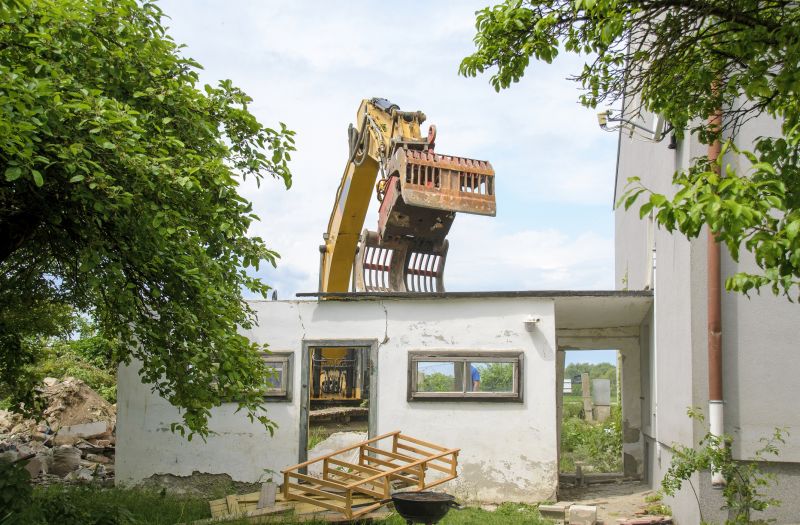
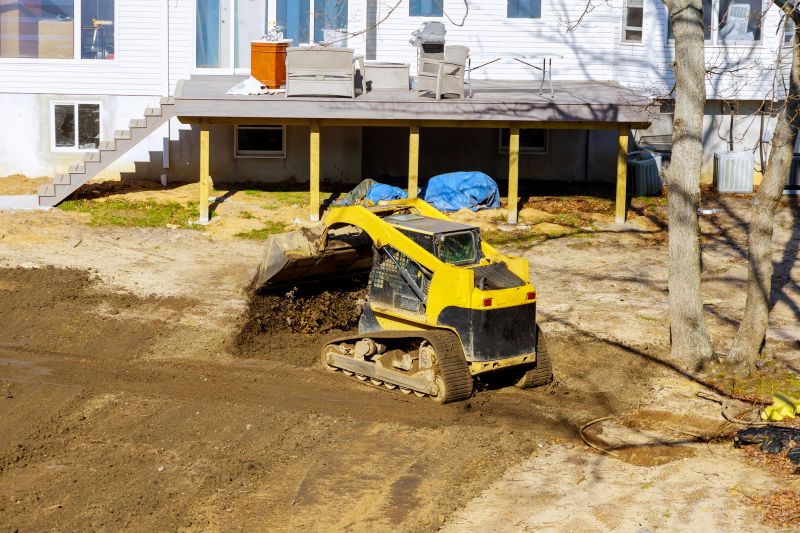
Compare local contractors' scope definitions and experience to ensure consistent expectations across all service providers.
- Project Scope - Clearly define the extent of excavation work needed, including depth, area, and specific site requirements.
- Site Assessment - Verify that local contractors evaluate the site conditions to identify potential challenges or restrictions.
- Work Specifications - Document detailed technical requirements and expectations to ensure mutual understanding of the excavation process.
- Experience Verification - Confirm that service providers have relevant experience handling similar excavation projects in the local area.
- Written Agreement - Ensure all scope details, responsibilities, and expectations are documented in a comprehensive written contract.
When comparing contractors for building excavation projects, it’s important to consider their experience with similar types of projects. Contractors who have a proven track record handling excavations comparable in scope and complexity are more likely to understand the unique challenges involved. Asking about past projects that resemble the current job can provide insight into their familiarity with specific site conditions, soil types, and excavation techniques. This helps ensure that the service providers considered have relevant experience that aligns with the project’s demands.
A clear, written scope of work is essential for effective contractor comparison. A detailed description of the tasks to be performed, site preparation requirements, and any specific expectations helps prevent misunderstandings later on. When evaluating options, look for service providers who can provide comprehensive written documentation outlining the work involved. This clarity allows for a more straightforward comparison of how each contractor plans to approach the project and ensures everyone shares the same understanding of the project’s parameters.
Verification basics are key to assessing the reliability of local contractors. While licensing and certification are not the focus here, verifying references or seeking feedback from previous clients can offer valuable insights into a contractor’s performance. Additionally, confirming that the contractor has appropriate insurance coverage and a solid reputation for completing projects on time and within scope can help establish trust. Gathering this information helps ensure that the selected service providers are capable and dependable for the excavation work needed.
Evaluating options without focusing on prices involves examining the quality of the proposals, the clarity of communication, and the professionalism demonstrated in their responses. Consider how well each contractor understands the project scope, their ability to address potential challenges, and the thoroughness of their written proposals. Comparing these aspects allows for a more informed decision based on experience, clarity, and reliability, rather than cost alone. This approach helps identify service providers who are well-equipped to handle the project effectively and align with the specific needs of the site.
Ask contractors to provide written scope details to ensure clear expectations and consistent project understanding.
- Experience and Expertise - What specific experience do local contractors have with building excavation projects similar to yours?
- Scope of Work - How clearly do the contractors define the scope of excavation services included in their proposals?
- Equipment and Methods - What types of equipment and excavation techniques do the service providers typically use for such projects?
- Project Management - How do local contractors plan to coordinate the different phases and ensure clear communication throughout the project?
- Written Agreements - Are the scope, responsibilities, and expectations documented in a detailed written contract?
How can I compare different contractors for building excavation? It’s helpful to review their experience, scope of services, and references to ensure they meet project needs and standards.
What should I include in the scope of work when hiring a contractor? Clearly define the excavation area, depth, any site preparation, and specific tasks to set expectations and avoid misunderstandings.
How do I verify a contractor’s experience with similar projects? Ask for examples of past work, references from previous clients, and details about projects of similar size and complexity.
Why is it important to put project details in writing? Having a written agreement helps clarify expectations, responsibilities, and scope, reducing potential disputes or misunderstandings.
What questions should I ask when evaluating local excavation contractors? Inquire about their previous experience, methods, equipment used, and how they handle unforeseen site issues.
How can I ensure a contractor is capable of handling my specific excavation project? Review their experience with similar site conditions, ask for references, and verify their understanding of the scope and requirements.
This page provided an overview of how to select qualified contractors for building excavation projects. Visitors learned the importance of clearly defining the scope of work, verifying the experience of service providers, and establishing expectations in writing to help ensure a smooth process. Comparing multiple local contractors can help identify options that best align with project needs and preferences.
To move forward, consider using the quote form to explore and connect with trusted local service providers. This can facilitate a straightforward way to review options, gather information, and find the right contractor for the excavation work.